Does street photography need a street? Does it even need people? Exploring a genre that has always resisted a simple definition.
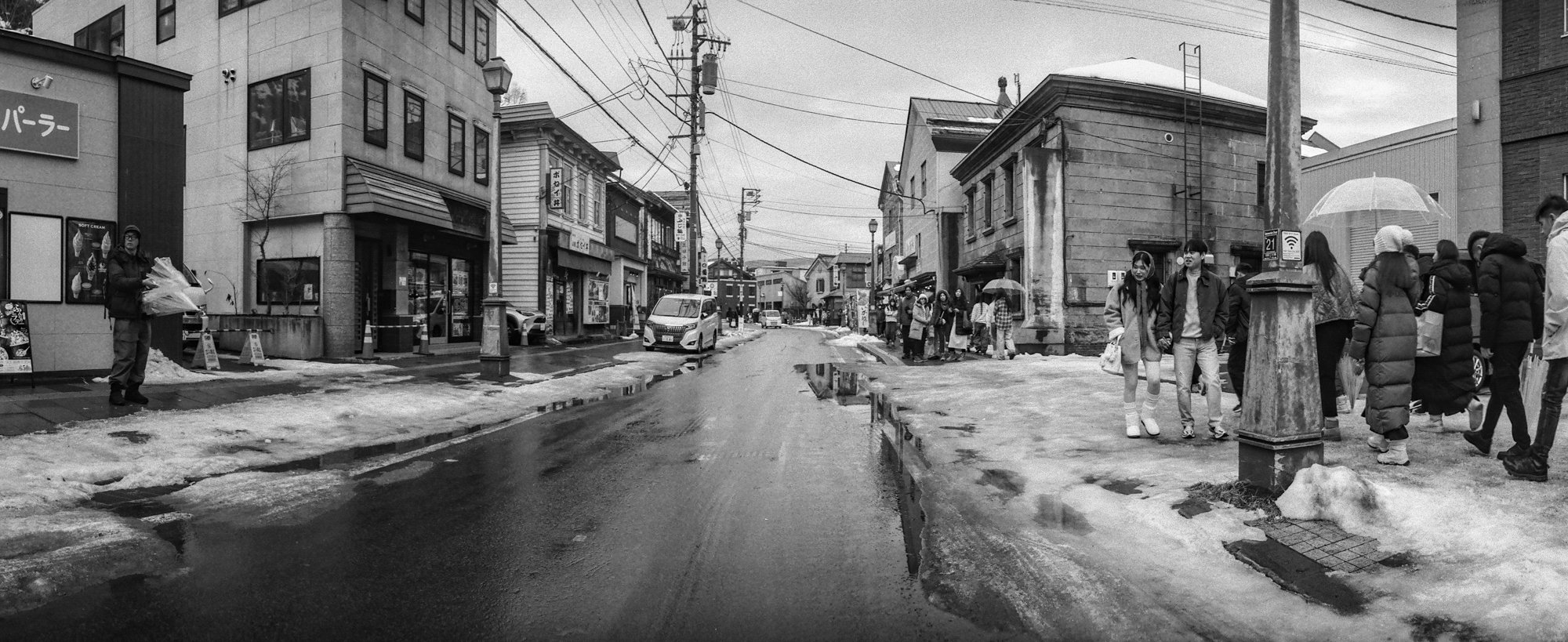
Robert Davies. Otaru, Japan, 2025.
Street photography is a curious term. It sounds straightforward enough, suggesting photographs taken on streets, usually of people going about their everyday lives. Yet the closer we look, the harder it becomes to define.
Does a photograph of an empty street qualify? What about a portrait of a stranger, an abandoned chair or a peculiar arrangement of objects discovered while walking? Is it the subject that makes a photograph belong to the genre, or the circumstances in which it was made?
Perhaps the problem is that street photography has never really been about streets.
A moment in time
For much of its history, street photography has been associated with Henri Cartier-Bresson and the idea of the decisive moment. His photographs demonstrated an extraordinary ability to recognise the instant when movement, gesture and composition briefly came together. The street became a kind of theatre, with the photographer waiting for its actors to fall into place.
Cartier-Bresson's famous photograph Behind the Gare Saint-Lazare (1932), showing a man suspended above a puddle, has become almost synonymous with this approach. The figure, his reflection and the surrounding geometry form a composition that existed for only an instant.
This tradition has continued through generations of photographers. From the visual humour of Elliott Erwitt to the layered compositions of Alex Webb, photographers have discovered extraordinary moments within the seemingly ordinary events of public life. But the emphasis on timing raises a question. Must something happen for a street photograph to be interesting?
A perfectly timed gesture might produce a remarkable image, but so might a scene in which nothing appears to be happening at all.
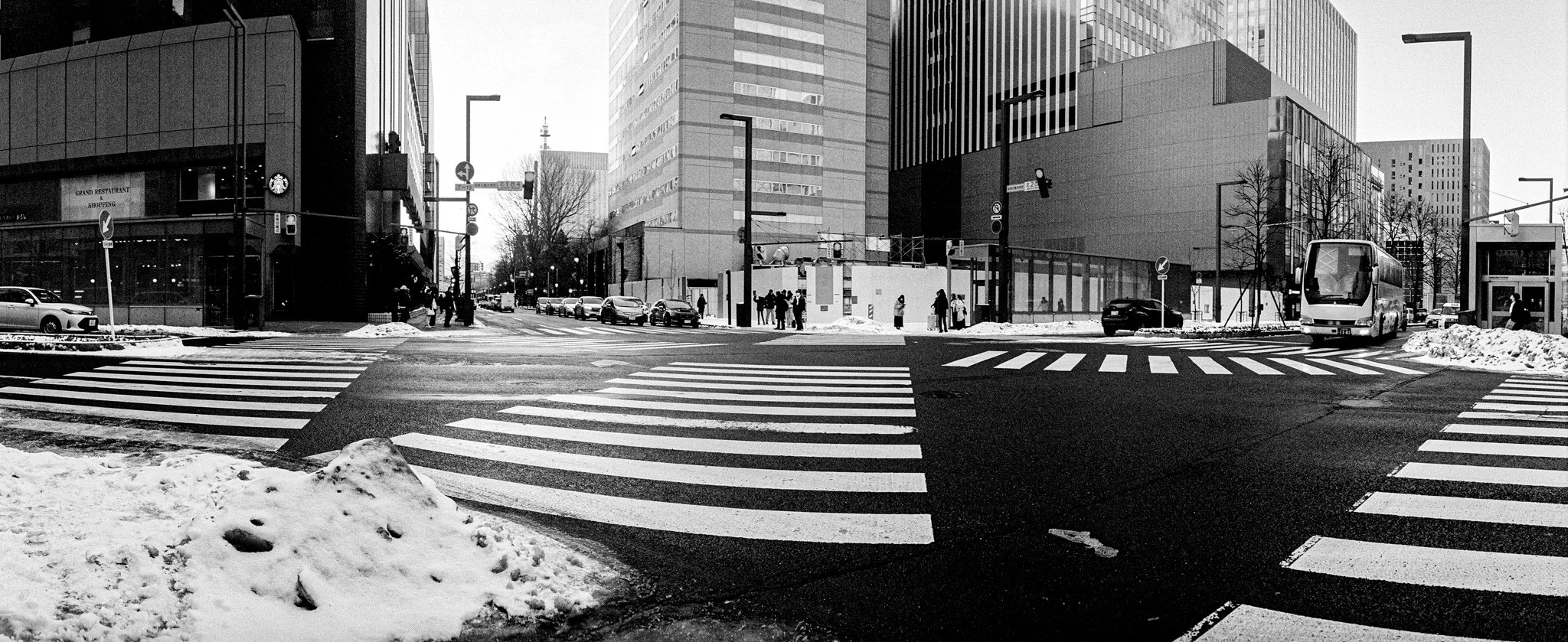
Robert Davies. Walking the Grid. Sapporo, Japan, 2026.
The street as a state of mind
In Magnum's The Art of Street Photography, photographer Carolyn Drake suggests that every photographer should arrive at their own understanding of what the street means to them. It's an appealing idea because it shifts the emphasis away from subject matter and towards the experience of being in the world. Consider the contrasting approaches of Bruce Gilden and Mark Power.
Gilden's photographs are immediate, confrontational and often unsettling. He moves towards his subjects, sometimes using flash at close range, creating encounters that are as much about his presence as the people he photographs. His photograph of the Feast of San Gennaro, New York, 1984 captures the energy and disorder of the crowded street.
Power takes an almost opposite approach. Working with a large-format camera, he frequently constructs his compositions slowly, allowing the world to move through a carefully considered frame. His photographs of Poland often describe the relationships between architecture, public space and everyday life without relying on a dramatic human encounter.
One seeks the energy of the encounter. The other finds meaning in observation and patience. Both approaches belong to street photography, despite sharing very little in technique or appearance. What connects them is perhaps a willingness to respond to circumstances that cannot be entirely anticipated or controlled.
The art of wandering
There is something important about the act of walking with a camera and no particular destination in mind. The nineteenth-century figure of the flâneur, associated with writers such as Charles Baudelaire and later explored by Walter Benjamin, offers a useful way of thinking about this. The flâneur wanders through the city as an observer, attentive to the overlooked details and fleeting experiences of urban life.
Photography gives this wandering a purpose, although perhaps purpose is the wrong word. It provides a reason to look more carefully, to follow an unexpected route or to spend time somewhere we might otherwise pass through without a second thought.
This also connects street photography to psychogeography, particularly the idea of the dérive, or drift, developed by Guy Debord and the Situationists. Rather than navigating a city according to its practical functions, the wanderer allows the character and atmosphere of a place to influence their movements.
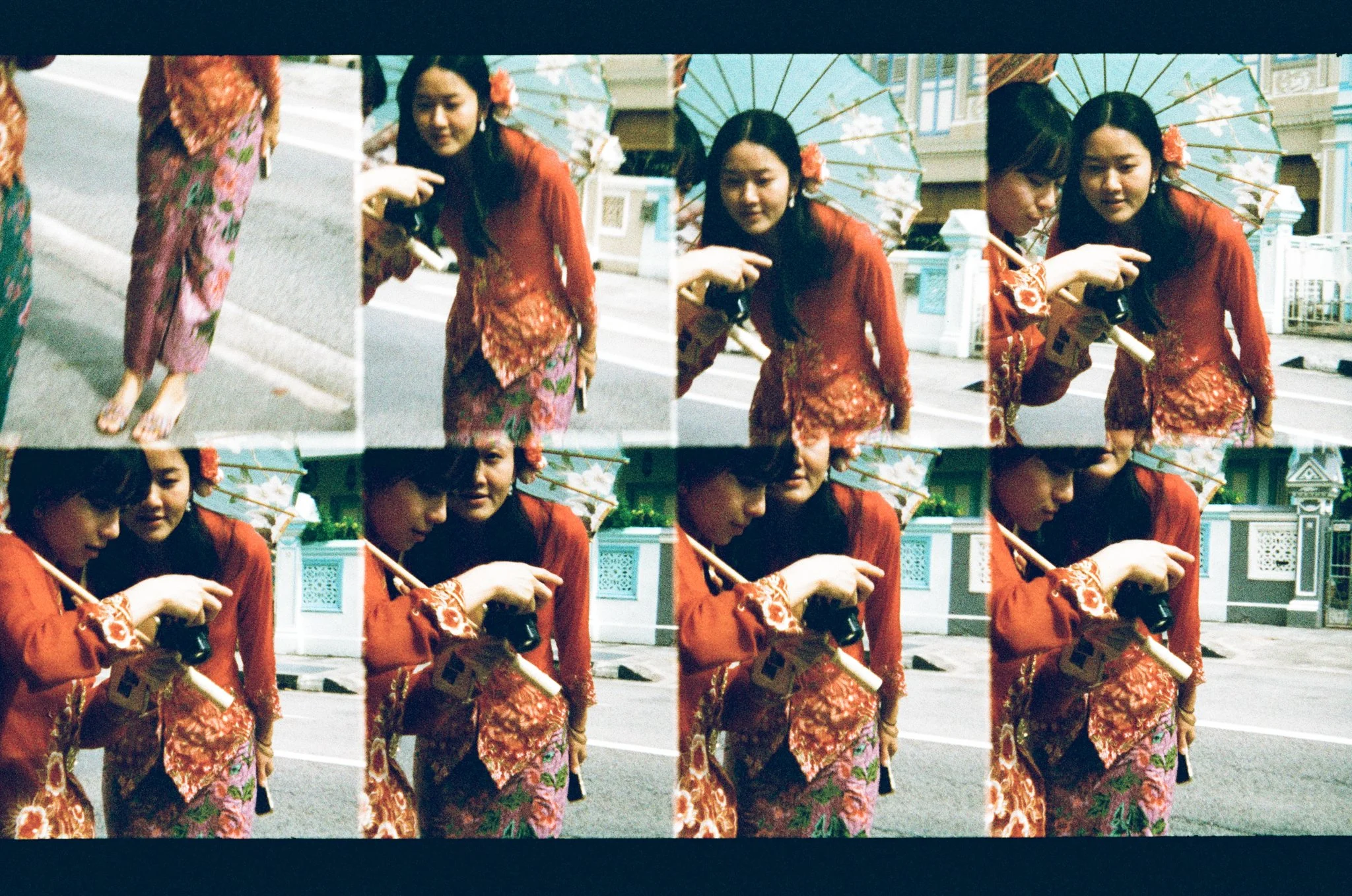
Robert Davies. Street Sequences: Katong. 2026
The work of Peter van Agtmael demonstrates how spontaneous encounters can become part of a broader exploration of society. Moving between documentary photography and observations of everyday life, his photographs often find moments that feel simultaneously ordinary and strangely symbolic.
For the street photographer, wandering becomes a way of discovering unfamiliar possibilities within familiar surroundings. The photograph is not necessarily the destination. It is something encountered along the way.
People, places and traces
Street photography is often associated with photographing strangers, but people do not necessarily need to appear in the frame for their presence to be felt. An empty plastic chair outside a shop, a collection of shoes beside a doorway or a handwritten notice attached to a wall can reveal something about the lives of those who occupy a place. These objects are evidence of human activity. Small, unremarkable details that collectively describe the character of a neighbourhood.
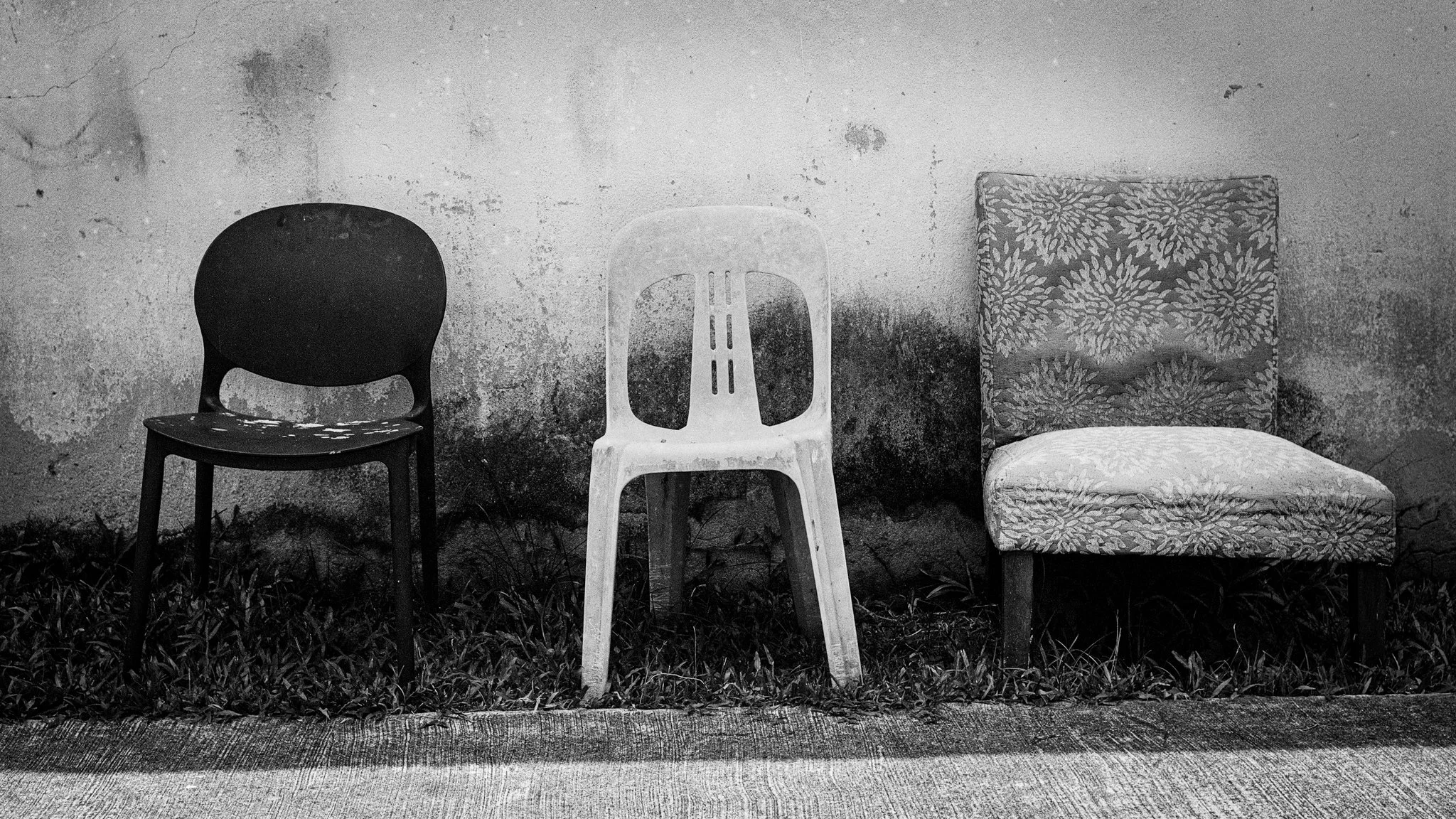
Robert Davies. Shifting Seats. Katong, 2026.
The photographs of Eugène Atget, documenting the streets, shopfronts and architecture of Paris at the turn of the twentieth century, offer an early example of this way of looking. Although his work predates the contemporary understanding of street photography, it is frequently included in its history.
Similarly, Mark Power's large-format photographic practice demonstrates how the built environment can communicate something about the people who inhabit it, even when those people are absent. Such photographs suggest that street photography can concern itself with the traces people leave behind, as much as the people themselves.
It also raises an interesting distinction between street photography and documentary photography. Both may observe everyday life, but documentary work often begins with a particular subject or intention. Street photography, by contrast, frequently discovers its subject through the process of looking. Of course, the boundaries are far from absolute. A chance encounter can develop into a long-term documentary project, just as a documentary photographer might work spontaneously in the street.
The role of chance
Perhaps the most distinctive quality of street photography is its relationship with chance. Unlike a studio photographer, who can arrange the lighting, position the subject and repeat an exposure, the street photographer works with circumstances that are constantly changing. A person enters the frame. A shadow moves across a wall. Two unrelated objects briefly appear connected. Something happens that could not have been planned.
The photographs of Constantine Manos, particularly his American Color series, demonstrate how colour, gesture and the chance arrangement of people can transform ordinary scenes into extraordinary compositions. His photograph Daytona Beach, Florida, 1997 is a compelling example of this approach, revealing how the everyday can become something unexpected through the photographer's eye.
But chance alone does not make a photograph.
The photographer must recognise the potential of an encounter and make a decision. Sometimes this happens instinctively, in a fraction of a second. At other times it involves returning to the same location, waiting, or simply looking for longer. In this sense, street photography is a collaboration between intention and accident. We can decide where to go and what interests us, but we cannot know precisely what we will find.
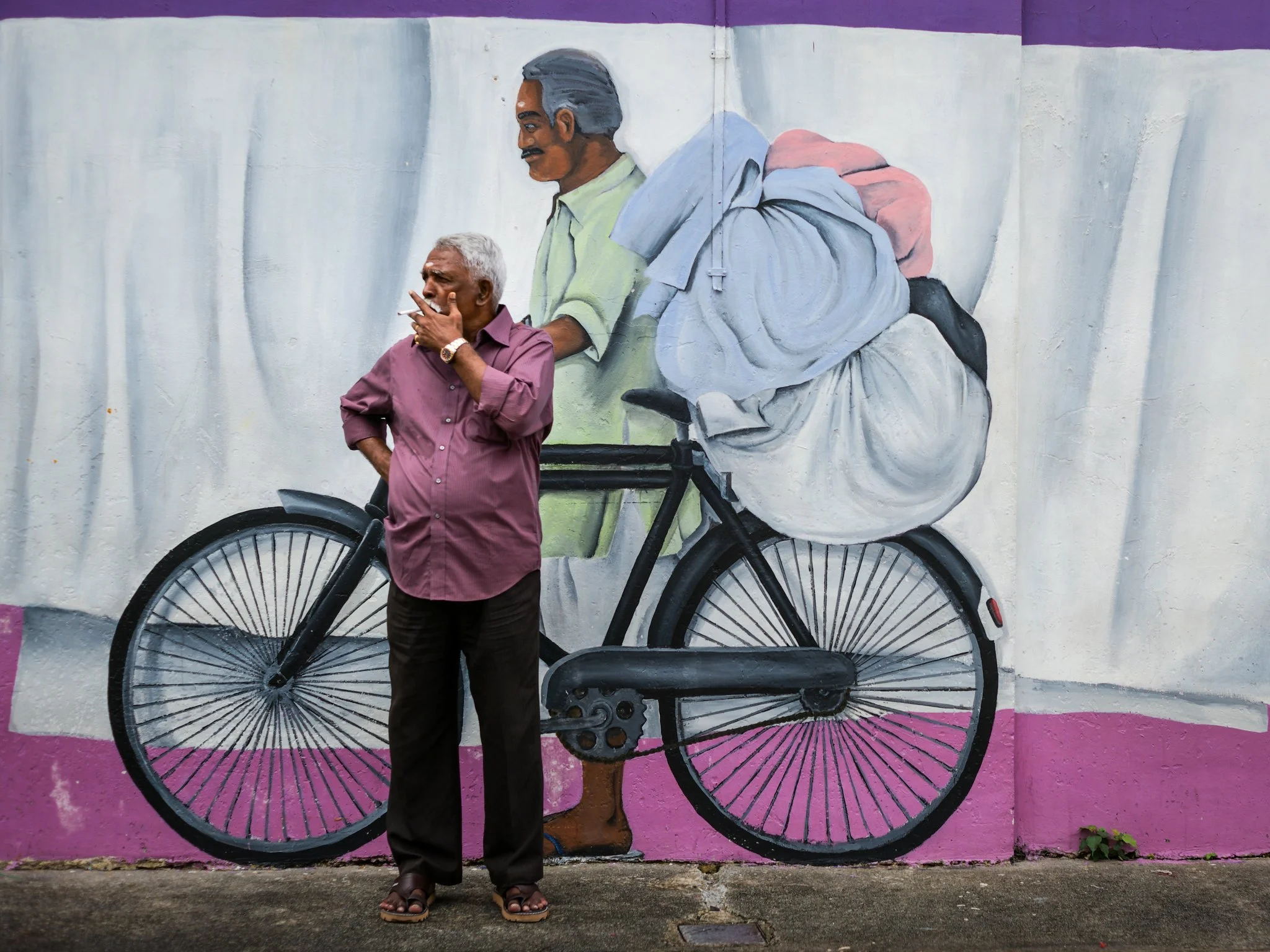
Robert Davies. Little India. 2018.
An open definition
Perhaps street photography is best understood not as a category of images, but as an approach to making them. A way of engaging with public life through curiosity, observation and discovery. A practice that can accommodate humour, ambiguity, social commentary, abstraction and quiet contemplation.
The photographs of Trent Parke offers a compelling example of how ordinary scenes can become something almost dreamlike. In Man in Mist, Sydney, Australia, 2001, from his Dream/Life series, the familiar urban environment becomes mysterious and atmospheric. Rather than simply recording what happens in the street, Parke uses light, weather and shadow to explore how a place can feel.
And perhaps the boundaries extend further still.
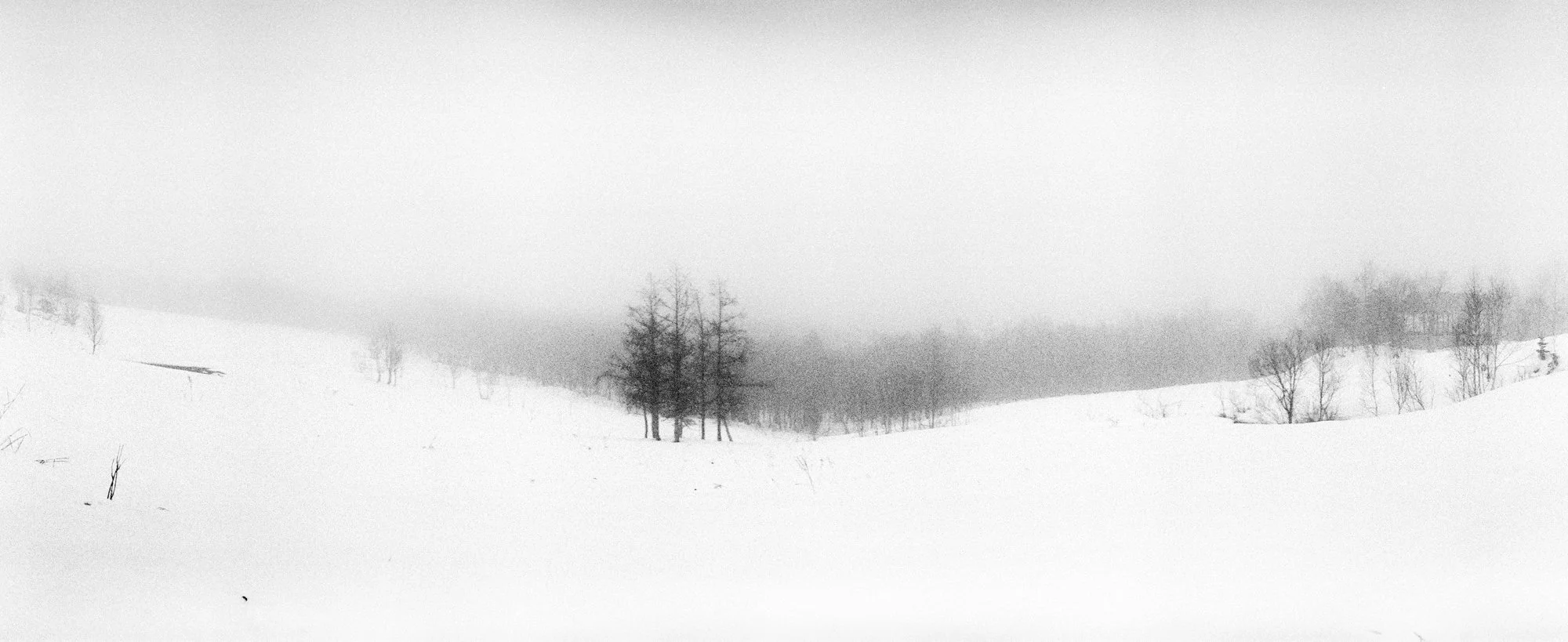
Robert Davies. Winter Walks. Hokkaido, Japan, 2025.
An empty road disappearing into a snowy landscape might be considered landscape photography rather than street photography. Yet if the image emerges from the same process of wandering, observation and unexpected discovery, does the distinction really matter?
There is a temptation to define photographic genres through rules, as though establishing clear boundaries might help us understand what belongs within them. But perhaps the value of street photography lies precisely in its resistance to those boundaries. The street offers no script, no fixed subject and no guarantee of a photograph.
Only the possibility of finding something we weren't looking for.
References
This article draws on Magnum Photos' The Art of Street Photography educational series, alongside writings on photography, urban observation and psychogeography. The references below offer further opportunities to explore the photographers and ideas discussed.
Cartier-Bresson, Henri. (1952). The Decisive Moment. Simon and Schuster, New York. See also Henri Cartier-Bresson at Magnum Photos.
Gilden, Bruce. (1984). Feast of San Gennaro, New York City. Photograph. View at Magnum Photos.
Power, Mark. The Sound of Two Songs. Photographic project documenting Poland, 2004–2009. Mark Power at Magnum Photos.
Manos, Constantine. (1997). Daytona Beach, Florida. Photograph from American Color. View at Magnum Photos.
Parke, Trent. (2001). Man in Mist, Sydney, Australia. Photograph from Dream/Life. View at Magnum Photos.
Van Agtmael, Peter. In Focus: Peter van Agtmael. Magnum Learn. Peter van Agtmael at Magnum Photos.
Baudelaire, Charles. (1863). The Painter of Modern Life. Essay exploring modernity, observation and the figure of the flâneur.
Benjamin, Walter. (1982). The Arcades Project. Posthumously published writings examining nineteenth-century Paris, modern urban experience and the flâneur.
Debord, Guy. (1956). Theory of the Dérive. Essay on psychogeography and the practice of drifting through urban environments.